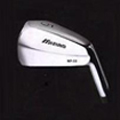
 Feel & precision
Blades
A slim, solid clubhead with no cavity in the back. The small sweet spot calls for pure ball contact.
- Lots of feedback at impact
- Less help on off-centre strikes
- For players who strike the ball consistently


The GolfClubTrader club guide
Choosing a club starts with your swing. We help you understand the differences, so you can head out onto the course with confidence.
Explore the club guide From clubhead to shaft. Clearly explained.
The clubheadFeel or forgiveness?
The right shaftA match for your swing.
Loft & lieThe angle makes the difference.
Control & feel
The design of an iron decides how the club feels and how much help you get on a less than pure strike. Start with the difference between blades and cavity backs.
Feel & precisionA slim, solid clubhead with no cavity in the back. The small sweet spot calls for pure ball contact.
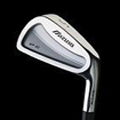 More forgiveness
A cavity in the back moves weight towards the edges of the clubhead. That gives more help when you don't hit the ball right in the middle.
Choose a club that also suits your less good shots. Some designs combine features of blades and cavity backs.
Feel is the feedback you get through the club the moment you hit the ball. You can tell whether contact was in the middle of the face. For some players that feedback matters; others mainly want a pleasant feel and a predictable result.
Cast irons are made by pouring molten metal into a mould. Forged irons are made by pressing metal into shape. The production method is only one part of the design: above all, try how the complete club feels to you.
The shaft connects the clubhead to your hands. Weight, material and flex together decide how the club feels during your swing.
Material alone doesn't decide which shaft suits you. Also look at the shaft flex and try different versions.
The lie is the angle between the shaft and the sole of the club. The right lie helps the clubface sit correctly to the ground at impact.
Your height, posture and swing all play a part. A lie that is too flat or too upright can affect the direction of your shots. A professional club fitter can check what suits you.
From the tee & fairway
A driver and a fairway wood each have their own role. Choose based on the shots you want to play with them and the confidence the club gives you.
Built for distance off the tee. As well as head size and material, look at forgiveness, loft and how it pairs with the shaft.
A more compact head for shots from the fairway and from the tee. Choose a model that gets the ball airborne easily and sits comfortably against the ground.
Graphite shafts are light and damp vibration. Weight and flex should suit your swing speed and tempo. A shaft that feels good in your irons isn't necessarily the right choice for your driver.
Look at the combination of head, shaft and loft. The best choice is the club you hit repeatably and with confidence.
A shaft that moves with you
Flex describes how much a shaft bends. Use the differences below as a starting point: your tempo and feel matter as much as swing speed.
More flex. A starting point for players with a smoother, slower swing who want a soft-feeling shaft.
Slower swing speedA middle ground between soft and firm. Often the logical starting point for golfers with an average swing speed.
Average swing speedA stiffer shaft. A starting point for players with a higher swing speed and a powerful swing.
Higher swing speedFlex ratings can differ between manufacturers. Try a shaft or ask for advice before choosing on the letter alone.
Getting the ball airborne
Loft is the angle of the clubface, measured in degrees. It helps decide how the ball launches. The right loft depends on your swing and the type of club.
Helps get the ball up more easily.
A lower launch angle needs the right ball contact and speed.
Less loft doesn't automatically mean more distance. Choose the loft that gives you a good mix of height, carry and control.
A guide to lofts and traditional wood numbers. Actual loft and ball flight vary by model and player.
| Loft | Wood | Character |
|---|---|---|
| 7–9° | 1+ | Low-loft driver; needs a suitably powerful swing. |
| 9–11° | 1 | Driver for tee shots. |
| 11–12° | 2+ | Higher-loft driver to get the ball up more easily. |
| 12–13° | 2 | A lot of loft for a driver; traditionally also called a fairway driver. |
| 13–14° | 3+ | Strong 3-wood with less loft than a standard 3-wood. |
| 14–16° | 3 | 3-wood for use from the fairway or the tee. |
| 16–17° | 4+ | Between a 3-wood and a 4-wood. |
| 17–18° | 4 | 4-wood with a little more loft than a 3-wood. |
| 18–19° | 5+ | Strong 5-wood for shots from the fairway. |
| 19–21° | 5 | 5-wood for a higher ball flight from the fairway. |
| 23–24° | 7+ | Traditional number for a strong 7-wood. |
| 24–26° | 7 | High-loft wood; also an alternative to a long iron. |
| 26–29° | 9 | High-loft wood as an alternative to the long irons. |
Together we'll find your club
Tell us about your game and the clubs you're looking for. We're happy to help you on your way.

